


Funny Cat Facts: Why Your Cat Might Prefer Concrete Over Catnip
Cats have a knack for surprising us with their quirky behaviors, and their choice of toys is no exception. While many pet owners might expect their feline friends to be captivated by catnip or feather wands, some cats have a surprising affinity for the unlikeliest of playthings: concrete. This curious fascination can leave cat lovers scratching their heads, wondering why their beloved pets would choose a cold, hard surface over the comfort of a fluffy toy. In exploring the peculiar play behavior of cats, we uncover fascinating insights into their preferences and instincts that make them the endlessly entertaining companions we adore. Join us as we unravel the mystery behind why cats might prefer a concrete toy over traditional favorites.## The Quirky World of Cats
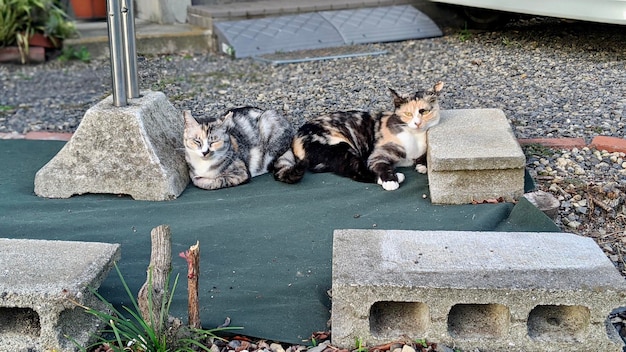
Cats are known for their unpredictable and often amusing behaviors. In this section, we'll explore why cats are drawn to unusual objects like concrete, share some funny cat facts, and delve into the fascinating world of feline play behavior.
Why Cats Love Concrete
Cats' attraction to concrete might seem odd, but it's rooted in their natural instincts. The rough texture of concrete appeals to their sensitive paw pads, providing a unique sensory experience.
Many cats enjoy scratching and kneading concrete surfaces, which can help them maintain their claws and mark their territory. The coolness of concrete can also be refreshing, especially on hot days.
Interestingly, some cats are drawn to the minerals found in concrete. This behavior, known as pica, can lead them to lick or chew on these surfaces. While occasional interest is normal, excessive concrete consumption should be monitored by a vet.
Funny Cat Facts You'll Love
Cats are full of surprises, and their quirks never fail to entertain us. Did you know that cats can make over 100 different vocal sounds? That's quite a repertoire compared to dogs, who can only make about 10.
Another amusing fact is that cats spend about 70% of their lives sleeping. That's right, your feline friend is a professional napper! But don't worry, they make up for it with their bursts of energy during playtime.
Cats also have a unique way of drinking water. Unlike dogs who lap it up, cats use the tip of their tongue to pull water up in a column, then snap their jaws shut to swallow. It's a precise and fascinating process that happens in the blink of an eye.
Cats' Play Behavior Explained
Cat play behavior is more than just cute antics; it's a complex mix of instinct and learned behavior. When cats play, they're often mimicking hunting behaviors they would use in the wild.
The way cats stalk, pounce, and bat at toys mirrors how they would catch prey. This is why toys that move erratically or make noise are often favorites - they trigger a cat's predatory instincts.
Play also serves as a way for cats to burn off energy, stay mentally stimulated, and bond with their owners. It's an essential part of keeping your cat healthy and happy, regardless of whether they prefer a fancy store-bought toy or a simple piece of concrete.
The Appeal of Concrete
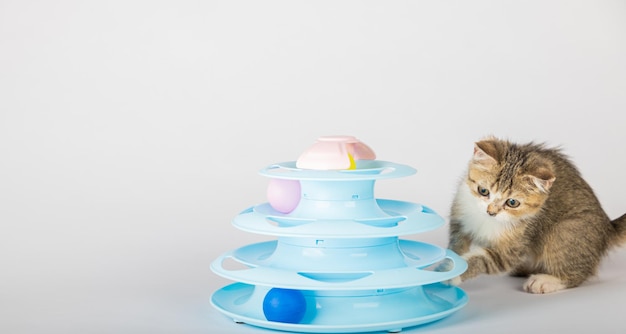
Concrete might seem like an unlikely cat toy, but for many felines, it's irresistible. Let's explore why cats are drawn to this unconventional plaything and how it compares to traditional cat toys.
Surprising Toy Preferences
Cats often surprise us with their toy choices, and concrete is no exception. The appeal lies in its texture, temperature, and potential for interaction.
Many cats are drawn to the rough surface of concrete, which can feel good on their paws and provide a satisfying scratching experience. The coolness of concrete can also be attractive, especially on warm days.
Some cats even enjoy the sound their claws make when scratching concrete. This auditory feedback can be as rewarding as the physical sensation, making concrete an unexpectedly engaging toy for our feline friends.
Concrete vs Traditional Cat Toys
When comparing concrete to traditional cat toys, there are some interesting differences:
|
Feature |
Concrete |
Traditional Toys |
|---|---|---|
|
Texture |
Rough, varied |
Soft, smooth |
|
Temperature |
Cool |
Room temperature |
|
Durability |
Very high |
Varies |
|
Interactivity |
Static |
Often moving or noise-making |
|
Cost |
Free |
Can be expensive |
While concrete lacks the movement and noise of many store-bought toys, its unique properties can make it just as appealing to some cats.
Eco-Friendly Toy Alternatives
For environmentally conscious pet owners, the idea of cats playing with concrete might spark interest in other eco-friendly toy options. There are many sustainable alternatives to plastic toys.
Natural materials like wood, sisal, and organic cotton can make great cat toys. These materials are biodegradable and often more durable than plastic alternatives.
Homemade toys, such as paper balls or cardboard boxes, can also be a hit with cats. Not only are these options better for the environment, but they're often more budget-friendly too.
Understanding Your Feline Friend
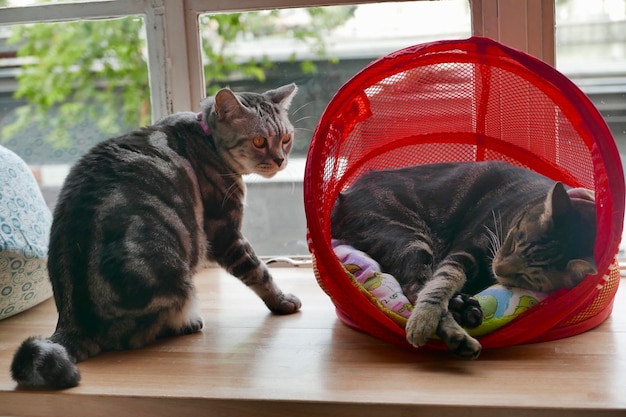
To truly connect with your cat, it's important to understand their unique psychology and preferences. This section will explore the mental processes behind cat play, how cats choose their toys, and the role of catnip in feline entertainment.
The Psychology Behind Cat Play
Cat play is more than just fun and games; it's a complex behavior rooted in instinct and learning. Play serves multiple purposes in a cat's life, from honing hunting skills to relieving stress.
When cats play, they're often mimicking behaviors they would use in the wild to catch prey. This is why you might see your cat stalking, pouncing, and batting at toys as if they were small animals.
Play also provides mental stimulation, which is crucial for a cat's well-being. It helps prevent boredom and can reduce problematic behaviors that might stem from a lack of mental engagement.
How Cats Choose Their Toys
Cats can be notoriously picky about their toys, often ignoring expensive store-bought items in favor of simple household objects. This selectiveness is influenced by several factors:
-
Texture: Cats have sensitive paw pads and may prefer certain textures over others.
-
Movement: Toys that move erratically or unpredictably often capture a cat's attention.
-
Sound: Crinkly or jingling noises can be very appealing to cats.
-
Size: Toys that are easy to bat around or carry in their mouth are often favorites.
Remember, what appeals to one cat might not interest another. It's all about finding what your individual feline friend enjoys.
Catnip and Other Feline Favorites
Catnip is a well-known cat attractant, but not all cats respond to it. About 50-70% of cats are affected by catnip, experiencing a euphoric reaction that can include rolling, rubbing, and increased playfulness.
For cats that don't respond to catnip, there are other options:
-
Silvervine: A plant that can produce similar effects to catnip
-
Valerian root: Known to have a calming effect on some cats
-
Honeysuckle: Can be stimulating for some felines
These alternatives can provide enrichment and encourage play, even for cats that don't react to traditional catnip.
Tips for Pet Ownership
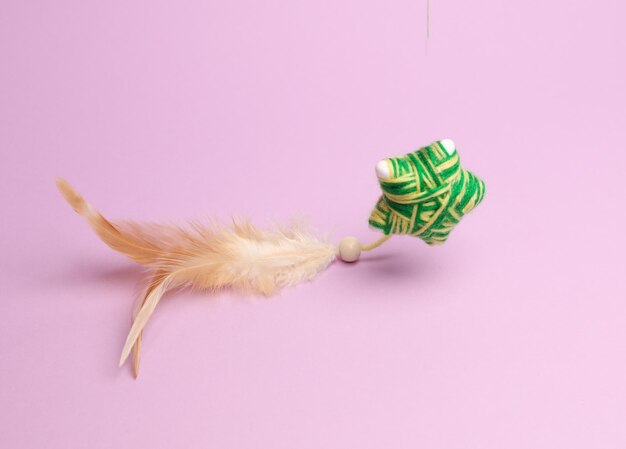
Being a cat owner is a rewarding experience, but it also comes with responsibilities. This section will provide guidance on engaging your cat's senses, creating a cat-friendly environment, and choosing the right toys for your feline friend.
Engaging Your Cat's Senses
Cats are sensory creatures, and engaging all their senses can lead to a happier, more stimulated pet. Here are some ways to appeal to each of your cat's senses:
-
Sight: Use toys with bright colors or flashing lights
-
Sound: Try toys that crinkle, jingle, or make bird-like noises
-
Touch: Provide a variety of textures, from soft plush to rough sisal
-
Smell: Offer catnip or other cat-safe scented toys
-
Taste: Incorporate treat-dispensing toys into playtime
By addressing all these senses, you can create a more enriching play experience for your cat.
Creating a Cat-Friendly Environment
A cat-friendly home goes beyond just providing food and water. It's about creating spaces that cater to your cat's natural behaviors and instincts. Here are some tips:
-
Vertical space: Cats love to climb and perch. Install cat trees or shelves.
-
Hiding spots: Provide boxes or cat caves for your feline to retreat to when they want privacy.
-
Scratching posts: Offer a variety of scratching surfaces to protect your furniture.
-
Window views: Set up comfortable spots near windows for your cat to watch the outside world.
Remember, a stimulating environment can prevent boredom and reduce stress-related behaviors in cats.
Choosing the Right Toys
Selecting appropriate toys for your cat can enhance their play experience and overall well-being. Consider these factors when choosing cat toys:
-
Safety: Avoid small parts that could be swallowed or strings that could cause entanglement
-
Durability: Look for toys that can withstand rough play
-
Variety: Offer different types of toys to keep your cat interested
-
Interactive options: Toys that allow you to play with your cat can strengthen your bond
Don't forget, sometimes the simplest toys (like a cardboard box or a paper bag) can be the most entertaining for cats!
Connecting with Your Cat
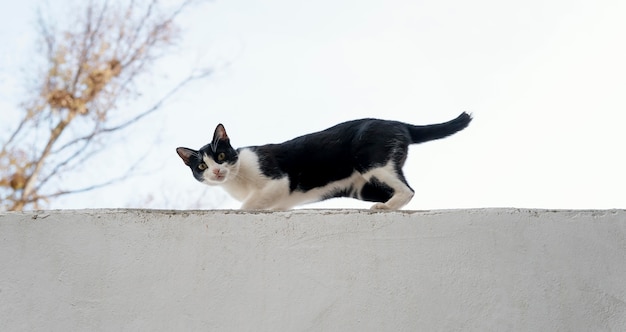
Building a strong bond with your feline companion is one of the most rewarding aspects of cat ownership. This section will explore how to make playtime more engaging, strengthen your connection, and encourage your cat's natural behaviors.
Playtime Tips for Cat Owners
Engaging in play with your cat is not just fun, it's an important part of your relationship. Here are some tips to make playtime more enjoyable for both of you:
-
Schedule regular play sessions: Aim for at least two 10-15 minute sessions daily.
-
Use a variety of toys: Rotate toys to keep things interesting.
-
Mimic prey movements: Move toys like a bird or mouse would move to engage your cat's hunting instincts.
-
Let your cat "win": Allow your cat to catch the toy occasionally to boost their confidence.
Remember, the goal is to have fun and bond with your cat, so be patient and pay attention to what they enjoy most.
Building a Stronger Bond
Strengthening your bond with your cat goes beyond playtime. It's about creating trust and understanding between you and your feline friend. Here are some ways to deepen your connection:
-
Respect your cat's boundaries: Let them come to you for attention
-
Use positive reinforcement: Reward good behavior with treats or praise
-
Spend quality time together: Even just sitting quietly in the same room can build trust
-
Learn your cat's body language: Understanding their cues can improve communication
By investing time and effort into your relationship, you'll create a stronger, more meaningful bond with your cat.
Encouraging Natural Behaviors
Cats have innate behaviors that are important for their physical and mental well-being. Encouraging these behaviors can lead to a happier, healthier cat. Here's how you can support your cat's natural instincts:
-
Provide scratching posts: This allows cats to mark their territory and maintain their claws
-
Create hunting opportunities: Use puzzle feeders or hide treats around the house
-
Allow for climbing and perching: Cat trees or wall-mounted shelves can satisfy this need
-
Respect their need for solitude: Ensure your cat has quiet spaces to retreat to when needed
By allowing your cat to express these natural behaviors, you're contributing to their overall well-being and happiness in your home.
